
How Risk Decides the Dice
Using the Dice Ladder at the Table

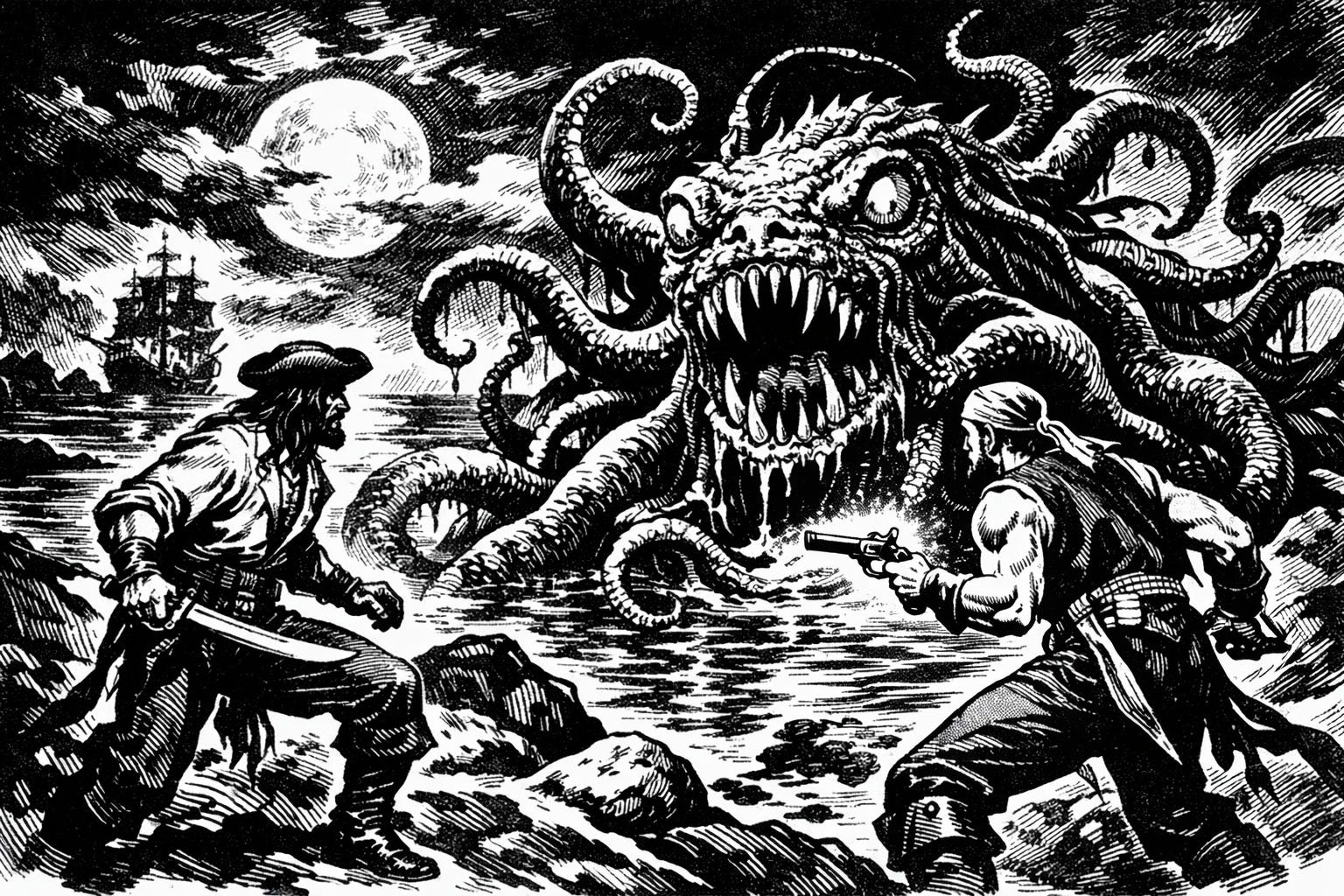
Climbing the Ladder
Last time, I talked about why the ladder works.
Why risk feels better when it’s concrete.
Why pressure should change the roll, not the math.
Why dice are more honest than modifiers.
This time, I want to show you the Dice Ladder itself—and how I actually use it at the table.
No adding or subtracting.
No stat bonuses.
Just a fast way to say: how bad is this moment, really?
First: When Do You Even Roll?
You don’t roll for every action.
You roll when the moment could turn.
When there’s real danger
When someone pushes back
When failure would change the scene
When the outcome isn’t obvious
If success is guaranteed, say yes.
If failure would stall the story, don’t roll.
Dice exist for turning points—not routine tasks.
When the dice hit the table, the Dice Ladder tells you which dice to roll.
The Dice Ladder
Here it is, clean and simple:
2d12 — Epic
Legendary. Fate-aligned. Cinematic.2d10 — Big Advantage
Momentum. Surprise. Overwhelming edge.2d8 — Upper Hand
Clear leverage. Clever positioning.2d6 — Standard
Bold heroes doing what they do best.2d4 — At a Loss
Outmatched. Rushed. On the back foot.1d6 — Struggling
Cornered. Wounded. Desperate.
Most of the time, players roll 2d6.
That’s the baseline: daring people taking dangerous action.
Everything else is situational.
Mic Drop
How I use the Dice Ladder at my table.
What Moves You Up or Down the Ladder?
Not stats.
Not modifiers.
Not special maneuvers or feats.
The fiction.
You move up the ladder when:
You have surprise
You control the terrain
Your approach fits your Persona or Signature Style
You created leverage earlier
Your opponent is exposed, distracted, or overmatched
You move down the ladder when:
You’re wounded or exhausted
You’re rushed or cornered
You’re acting blind or under pressure
The opposition is stronger, faster, or better positioned
You’re gambling on something reckless
The ladder answers one question:
How dangerous is this moment for you, right now?
Opposed Rolls: When Someone Pushes Back
Most rolls are opposed.
When blades clash, plans collide, or wills face off, both sides roll using the Dice Ladder.
Higher total wins.
Win → you land the blow, gain ground, seize control
Lose → the moment turns against you
Tie → tension spikes; something complicates the scene
The roll resolves the entire exchange—not a single swing.
Forget this ‘I roll to hit, then you roll to hit’ nonsense.
It’s one roll. One tense exchange. Then the story moves forward.
Unopposed Rolls: Risk Without Resistance
Sometimes no one is actively stopping you.
Picking a lock.
Leaping a rooftop.
Bluffing a guard.
You still roll—but the ladder still applies.
The GM sets a Target Number based on risk (7 is typical), and your dice reflect your position in the fiction.
Beat the TN → success
Miss → failure
Tie → success with a cost, or failure softened by luck
Again: one roll, one turning point.
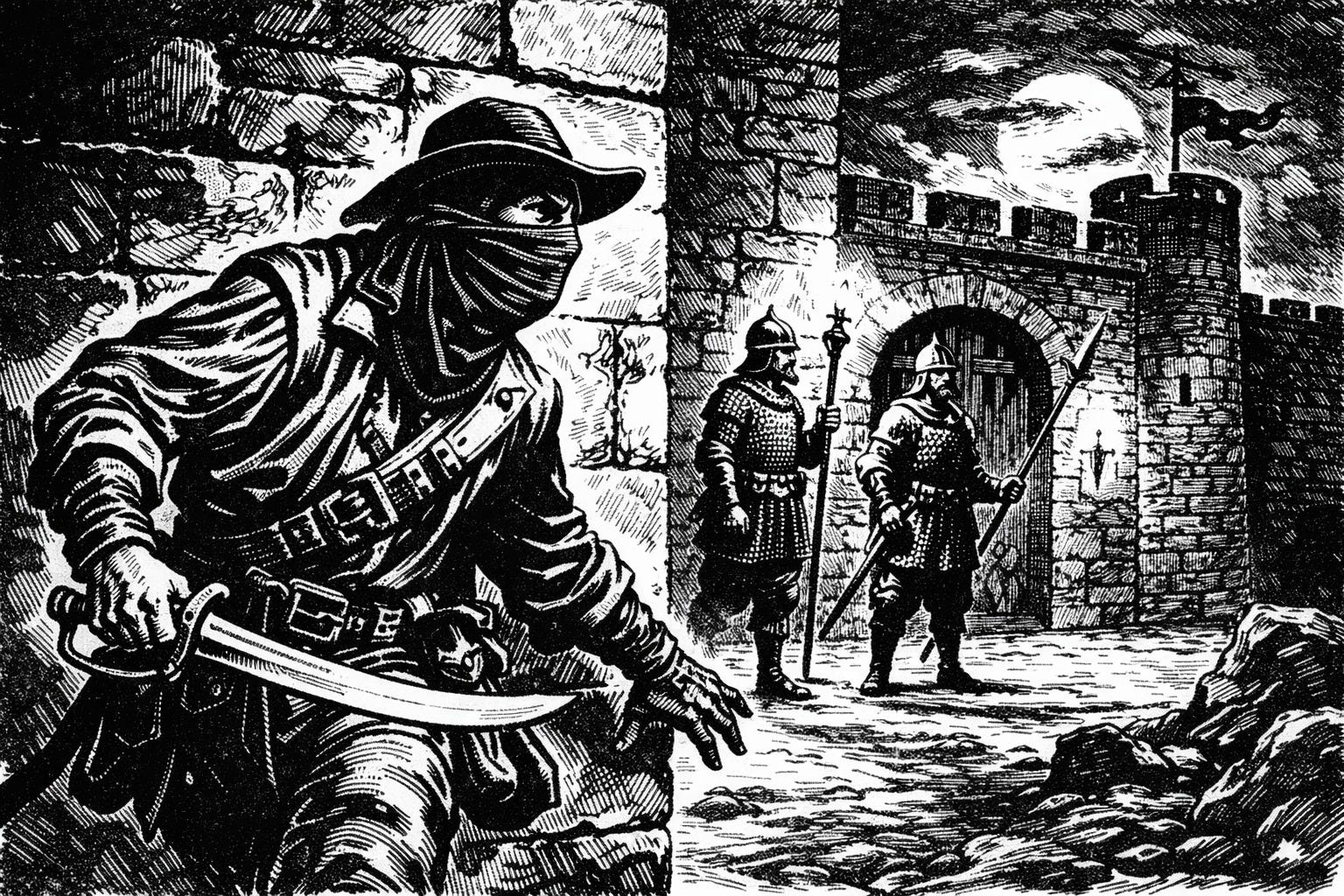
What the Dice Actually Mean
This part matters.
The dice don’t measure competence.
They measure pressure.
Rolling 2d4 doesn’t mean your character is bad.
It means this moment is stacked against you.
Rolling 2d10 doesn’t mean you’re invincible.
It means everything lined up—for now.
That’s why wounds, positioning, surprise, crowds, reputation, and timing all matter more than numbers.
The ladder keeps the tension visible.
Critical Moments
Some rolls crackle.
Snake Eyes (double 1s):
A hard failure plus a new complication.Max Doubles (6+6, 8+8, 10+10, etc.):
Something dramatic shifts—win or lose.
The dice don’t just answer did you succeed?
They tell the GM when the story demands escalation.
Why This Isn’t a “System”
The Dice Ladder isn’t there to simulate reality.
It’s there to support:
Fiction-first play
Fast resolution
Cinematic pacing
Meaningful risk
You don’t memorize it.
You feel it.
After a session or two, the table knows:
“This feels like 2d8.”
“This is bad—probably 2d4.”
“If I do this now, I’m dropping down the ladder.”
That’s the goal.
The dice stop being math—and start being pressure you can see.
Final Thought
The Dice Ladder doesn’t ask:
How skilled are you?
It asks:
How dangerous is this choice?
And that’s the question swashbuckling stories are built on.
Play bold.
Lean into risk.
Embrace the Chaos.
Want in? Just hit the button.
Subscribe for Free or toss a coin to your chaotic uncle—either way, you get the goods.
Rules are optional. This part isn’t.